

How I'm getting my spark back
A mini masterplan to bloom back into self-confidence

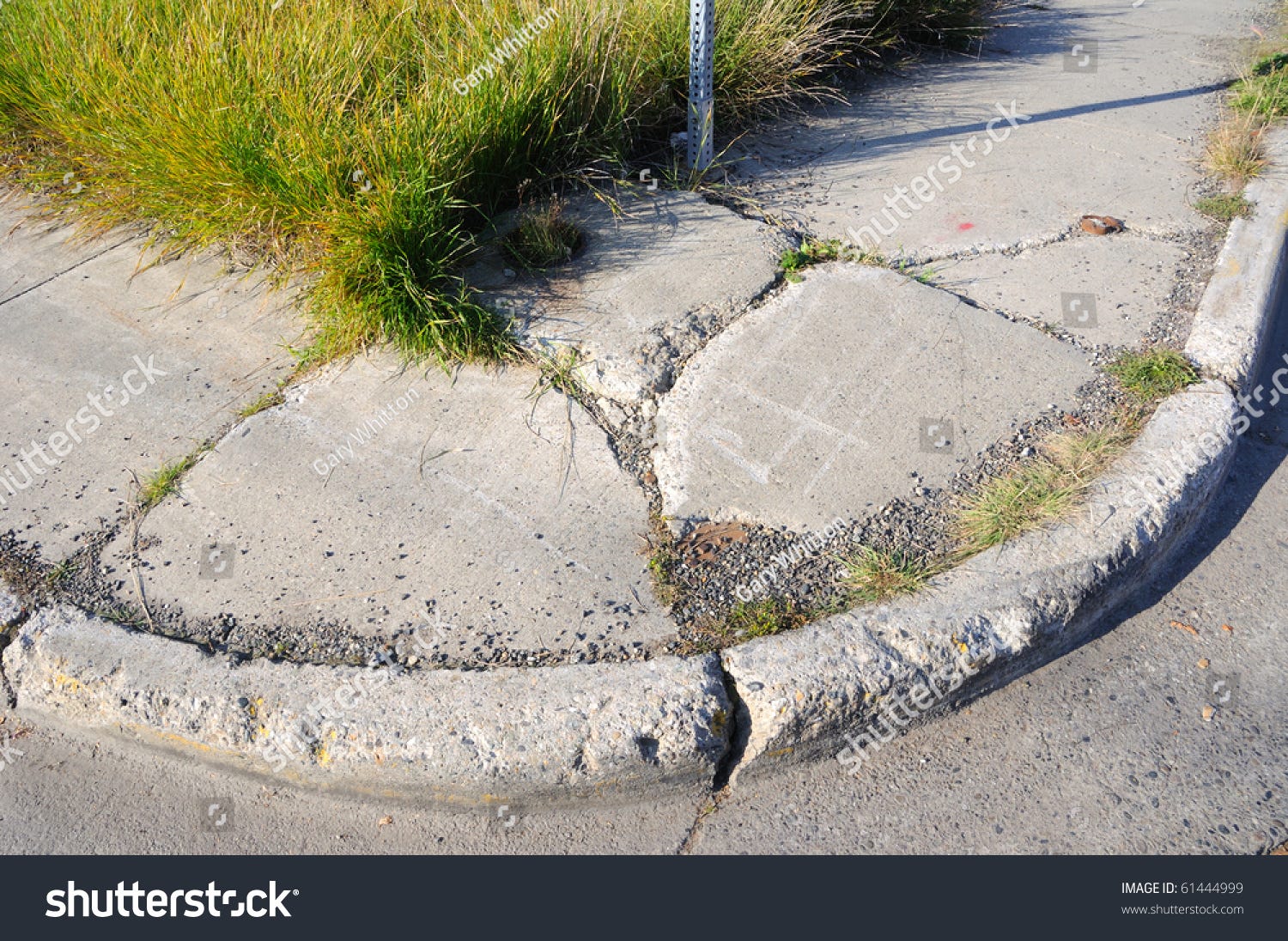
On a spark scale ranging from fireworks to dull concrete, I’ve been feeling like a cracked old sidewalk for the better part of six months. A little neglected, a little worse for wear. Plagued, as any sidewalk is bound to become once forgotten, by weeds and trash one would rather do without.
This is, mind you, an unusual phenomenon for me. Not because I just ooze vim and pizzazz at all times, but because I try my best to keep my confidence levels somewhat stable, whether said confidence is genuine or fabricated by a combination of journaling and elaborate mental gymnastics. So when I feel that something is off, I am usually right on top of it, ready to fix it.
This time, however, it took me a little longer to notice that something had changed.
Let me take you back to fall 2025. I decide, upon being graced by the muses of good ideas and having written my first and second drafts of a novel, to dedicate as much time as I possibly can to working on it. Not only do I want to see this book finished, I’m at a stage in the drafting process where I need to give it my undivided attention. There is a sense of momentum I can’t postpone, and in order to ride the wave I need to dive deep into the world I’m building and live there for a good while until I get the picture right.
I make the decision to lock myself in my office and cross as much as I can off my calendar: social engagements, hobbies, anything that isn’t deemed strictly necessary becomes scarce, sporadic or forbidden for the time being. Suddenly I am all book, all the time, every day. I think about nothing else. I learn, and to a certain extent I needed to learn this particular lesson, to be really selfish about my writing.
And, lo and behold, the isolation bears fruit. I get a ton of work done during these months, and achieve a number of things for the first time as a writer that I barely acknowledge and certainly do not celebrate. I also become a little paranoid, but that, I tell myself, is bound to come with the territory of communing with fictional people on a daily basis. The relentless Lisbon rain further contributes to my obsessiveness and despair, but I’m happy in a delirious sort of way, and this situation, after all, is only temporary.
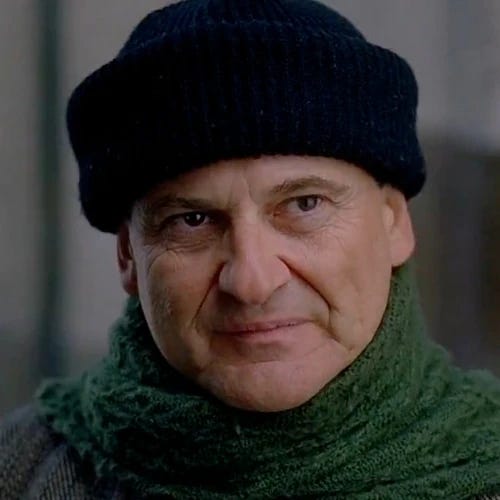
A few months into the project, Anton—the cruel saboteur who lives inside my brain—comes into play. You have my permission to picture him as a tapeworm, although I personally imagine him as Harry from Home Alone (the angry face, the funny voice, the sad beanie). Anton and I are old friends, and at this point, after naming him and doing the work of distinguishing our voices for the last two years, he has become quieter than he’s ever been. He’s pretty much harmless, proof of that being that I’m finally willing to even entertain the idea of taking my writing seriously. So I’ve been, well, if not exactly Anton-free, then at least Anton-resistant for a while. I don’t think about him at all when I decide to dedicate so much of my time to the novel. If anything, that feels like the most anti-Anton thing I could possibly do.
What I don’t realize at the time is that the decisions I believe to be novel-friendly happen to be Anton-friendly, too. As I put the book above everything I’ve deemed dispensable or optional at least for the time being, I sell myself the fantasy of foregoing all the routines I’ve worked hard to establish in my daily life and just writing away, an author in her cabin. And I stop doing the little rituals that kept Anton under control: I stop meditating, journaling, going out into the world, thinking about things other than myself and my own pursuits, seeing friends who disagree with every single one of Anton’s points and beliefs. I stop spending time on my hobbies, challenging myself to meet new people, to try new things. I do all of this because, to a certain extent, it serves the novel. And it does! Unfortunately, it also puts a megaphone in Anton’s hands, and before I know it he’s marching inside my brain again, yelling orders at a vulnerable audience of one.
My inner saboteur gains his strength while I work away, and like any bully, develops an agenda. Anton is now a man on a mission, and he wants to keep us both safe. So he finds his opening and, quite predictably, tries to stop me from writing the novel before he does anything else. The idea of this book getting published one day is absolutely terrifying to him. So he tells me how my writing is mediocre at best, that I have nothing of value to say, that my aspirations are a waste of time, that everything I’m doing has been done before, yada yada. That doesn’t really work, however, because my interest in the project at this point trumps any ambitions or fears I might have, so I ignore him and keep going.
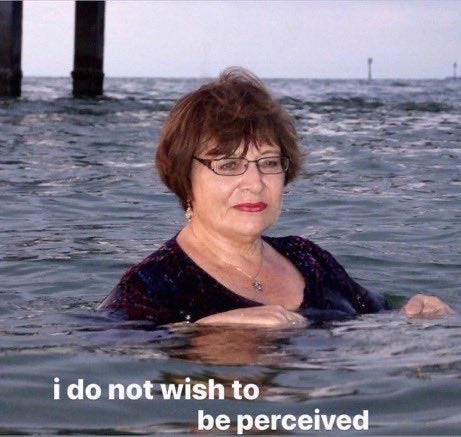
Desperate to get more of his control back, Anton turns instead to the smaller things. He tells me not to apply to some exciting opportunities because they will get in the way of finishing the novel (they wouldn’t). He convinces me that posting online, being online as a creative person in any capacity—something I’ve been doing for the better part of two decades and have found a lot of joy in—is not only a waste of time, but actively detrimental to my alleged ambitions. Do respectable authors make memes, perchance? Do they post book lists on substack? If I want to be published one day, to be proper proper taken seriously like I seem to want to be, then do I really want to be this online? Shouldn’t I be like Donna Tartt, only reachable by courier pigeon?
As Anton’s confidence rises, mine plummets. He tells me there is no reason for me to be wasting time dreaming up big wins for myself. There is no point in pitching articles to publications I want to contribute to, in reaching out to people I admire, in having fun in any non-novel-related capacity (the novel itself he endures only because, deep down, he’s certain I’ll never get it published, and I tell him as much so I can write in peace). I entertain the idea of deleting my social media, and the prospect alone gives him an immense sense of peace. I post what I consider the bare minimum. When I do talk about my newfound fears with friends and they remind me of all the ways I’m wrong, Anton and I shake our heads. They don’t get it.
I dream only inside my novel now; I dream as far as my fiction goes, but I stop doing it for myself. I’ve always been a big dreamer—even as a teenager, when Anton and I were one, I always allowed myself to dream. But this is the first time I feel blocked in that capacity, too. I tell myself it doesn’t matter whether I ever become an author or not; I’m sure I’ll find something else to do if I have to, and I can keep writing for fun regardless. The visions I had of what my future could look like before get further away from me and Anton finds a new comfort in his own misery, in his limitations. He wants nothing more than to avoid every scenario he doesn’t know.
I’m afraid again, in a million tiny nearly imperceptible ways, and we are aligned. There is no inner conflict for the most part. If I do try something funny, Anton reminds me that what sounds like a small risk to me is life-threatening to us. And there is nothing I can do to fight him because, for a long time, I don’t even notice there is something to fight. The strategies I once set in place to discern and quiet Anton’s voice are no longer a part of my daily life, and as a consequence, his presence grows larger and larger until he is in full control of the puppet once more. Me being the puppet. I am under his thumb. I’m back in high school.
Then spring thankfully does its thing. Revision time arrives, and with it the first sunny days in the city. I can breathe a little easier. I was, and still am, deep in the novel trenches—they are beautiful trenches by the way, truly picturesque—but my brain finally gets a little rest from Anton, if only because new distractions force themselves into my life. I get out of my cave, see my friends a little more often, go read at the park. I feel like I haven’t used my legs in a really long time. I don’t quite know what to do with myself.
Before I notice that my confidence is gone, dormant parts of my brain wake up and demand attention. Suddenly I feel the urge to do other things besides working on the novel—now that I’m revising, I have energy again to grab my camera, to come up with new ideas for essays, for lists, for illustrations, for other novels. Seeing new things makes me see new things.
On a Saturday morning, I go to a cafe and realize how deeply uncomfortable I feel in my skin. It has nothing to do with looks. My confidence is gone. I notice, and am quite baffled by the fact, that I have spent six months driving on reserve.
As I am wont to do every time there is an internal question, I journal on it for a few days. I try to trace back what has happened over these past six months, to locate this lost confidence like you’d do a stolen phone. I start with what I know: that my confidence is directly tied to how capable I feel of navigating unfamiliar ground. The more unfamiliar the ground I navigate, the more confident I become. It really is as simple as that. Every time I do something challenging or for the first time, no matter how small, I stand a little taller.
This leads me to the inevitable conclusion that I haven’t navigated unfamiliar ground in a while. I haven’t treated myself kindly, either, and over the following weeks I come to understand how sheltering myself so harshly from the world has led me to become vulnerable to my fears. By not prioritizing certain habits, by not putting myself in those challenging situations, and by not reminding myself, through loved ones or my own experiences, of my place in the world, I have lost a lot of the confidence muscle I’d built since my teenage years, and what I consider my spark—the enthusiasm, the curiosity, the self-assurance—has dimmed considerably as a result.
This is not a revolutionary reckoning. That making time for the things you enjoy would be vital to your confidence and well-being. That seeing and making new things, that being an active part of what is beyond your internal world, is necessary to getting out of the prison that your mind can sometimes become. It is really quite obvious, and it only took me so long to notice all this because I did such a good job of obsessing over one single thing and neglecting everything else. This obsessive nature that leads to results is also the one that easily takes me down a path of burnout. It’s a lesson I keep learning and forgetting.
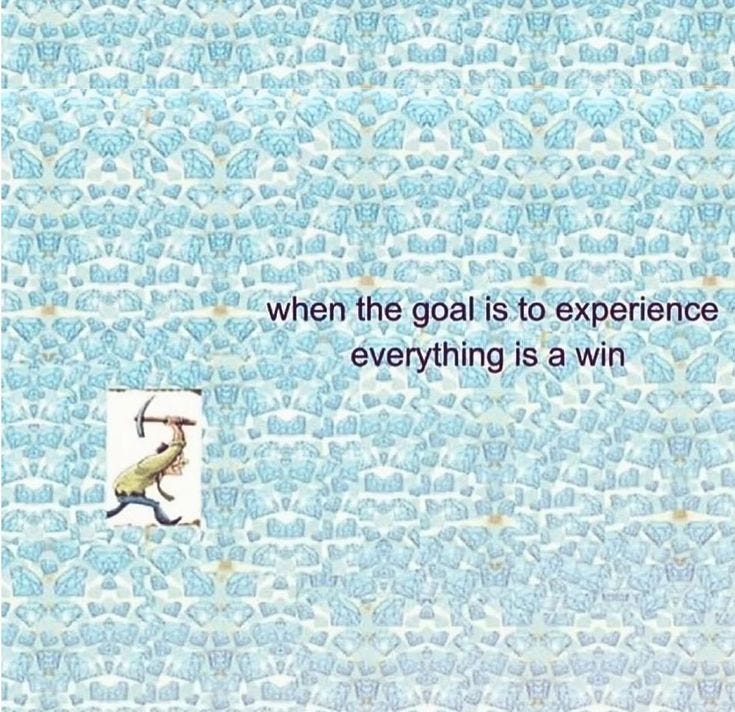
And I do believe that life is made of seasons. I don’t regret giving so much of my energy to the novel, and I wouldn’t be surprised if I felt the same urge in the future, and returned to this exact same place, fighting the same demons. We can’t always be on in the same way, create in the same volume or with the same energy. If this happens again, however, next time I’ll know that some things are worth preserving, that some parts of myself must be nurtured for my own good and for the good of what I’m working on, too. I’ll have to find a way of making time for what matters, because some of the things I’d deemed dispensable turned out to be vital.
So this is where you find me now. The cracked sidewalk. Still has a function, certainly, but it has seen better days. Thankfully, I’m any invasive weed’s worst nightmare, so the minute I realized that this was where I now found myself, I made a plan to bring my spark back, stat. Because although my work is deeply important to me, my confidence and joy derive from being in the world, too, from contributing to it in my own way, and that’s what I am now determined to get back to. Spring is, after all, the perfect season to be back. Not that you need to sit around waiting for the perfect season. Like lisa wamaitha 🌀 says,

How I’m Getting my Spark Back
My plan began as a to-do list on Notion and eventually became a document full of activities—suggestions of things for me to do on a daily, weekly and monthly basis—and mindset shifts I want to work towards.
If you’re in a similar situation, I’m not necessarily advising you to follow my plan, but to look at where you’re at and figure out what you’d like to change for the better, before writing down the small steps you can take in that direction.
🧠 Mindset Shifts & General Goals 🧠

🧠 Creation ≠ Consumption
I’ve gone more and more offline since I wrote this post. At first, I just limited the amount of time I spent on the apps on a daily basis, but during my drafting process I got into the habit of uninstalling them, and only installing them back when I had something specific to post (this is mostly about Instagram; I’ve stopped using Tiktok altogether). I’m still doing it now, so I end up installing the apps once, maybe twice a week at most, spend 30 minutes posting whatever I want to share and checking my comments and DMs, giving some love to the people I enjoy following, and then I’m out again. The algorithm hates me for it but my brain is happier.
What led me to make this decision in a more conscious way was this distinction between creation and consumption. Scrolling (consuming) is bad for me and makes me feel terrible about myself—that much I know it’s true. However, creating is fun and generally good for me, and something I do when I’m off social media anyway. So now I give myself a few hours a week to create it if I feel like it, but I no longer give myself time to consume social media content besides the occasional substack post or youtube video. A consequence of this is that I’m no longer on top of online trends and news, but that’s just another thing I now get to learn from my more online friends when we catch up.
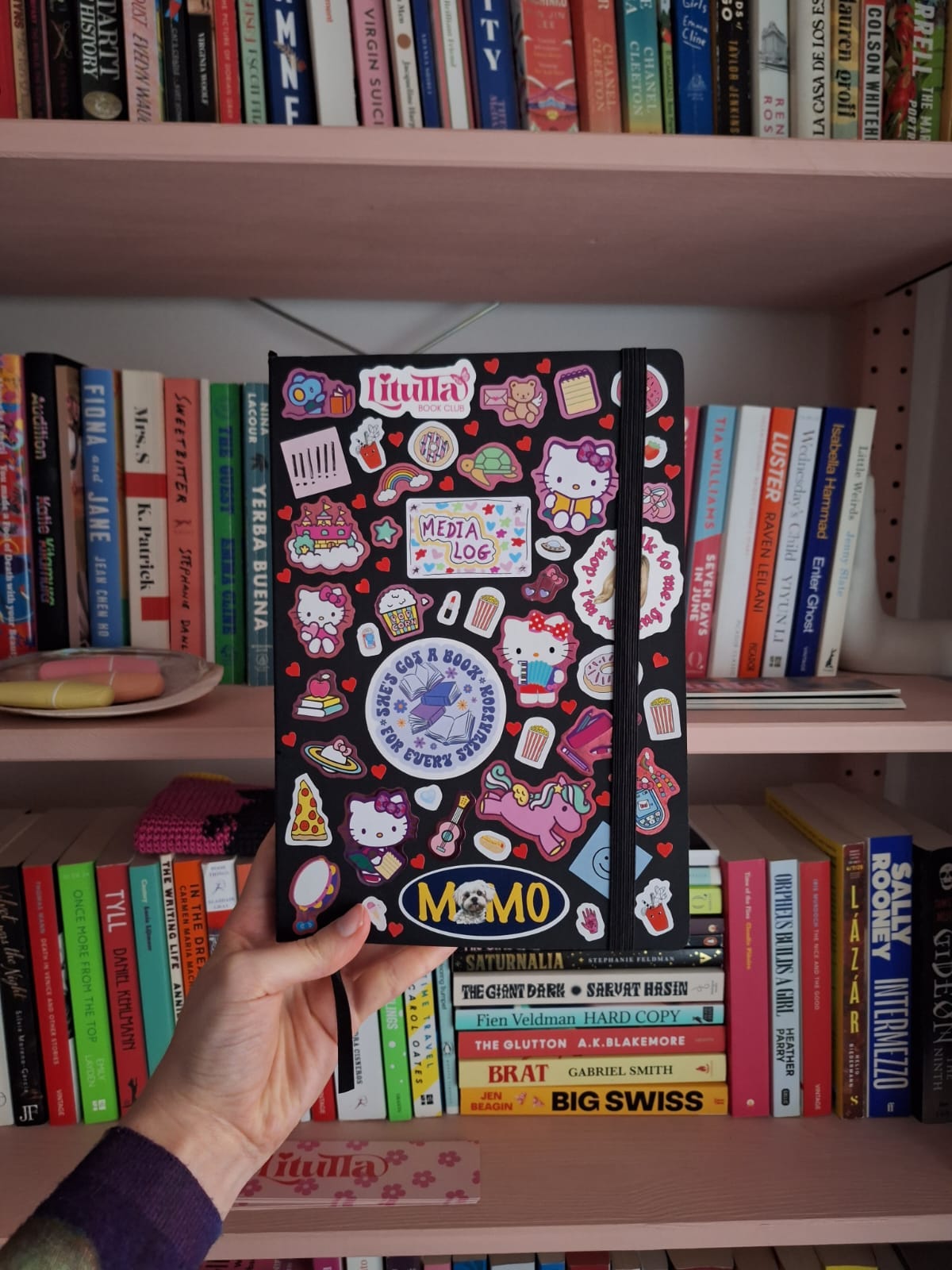
I am also no longer using tracking apps like letterboxd as much as I used to, and have been enjoying writing my thoughts on the art I consume on a physical media log instead; I might write a post about it soon. I like the idea of picking it up in a few years and having this physical report of everything I was watching, listening to and reading at the time.
🧠 Get comfortable being visible
I don’t want my fear of judgment to get in the way of me creating whatever I want, online and off. So my challenge here is to simply… do it, and to put it out into the world without questioning it as much. Squirm under the spotlight and wave. Case in point, the oversharing that can be found in this post makes Anton very uneasy, which is why I’ll have to stop writing and rewriting it at some point and just share it.
And I want to post more on substack again, and to do it more broadly. I battled with this for a while—wondering, for instance, whether I should start a separate newsletter to talk about clothes and the gems I’ve been finding at the thrift store, afraid my book-loving audience wouldn’t want to see that content—but really, why would I do that when that’s who I am? Like Emma Lou Cogan says,
So expect thrifting content soon. I promise the books aren’t going anywhere!
🧠 Dream BIG (again)
I’m taking my dreaming seriously again—my dreams too, of course, but the act of dreaming them in the first place. This means going back to making moodboards, writing lists of jobs and hobbies and experiences I want to have and work towards, projects I want to be a part of, people I want to meet and collaborate with—not even the sky is the limit. Talking about my dreams with people who see them and support them is important, too. I want to build momentum towards them again in any way I can. Speaking them into existence doesn’t hurt either, so here goes it: I’m working on a novel that I’m deeply besotted with (can you tell?) and I really want to get it published. I’ll be, fingers crossed, looking for an agent in the fall. I would also love to do more freelance writing. Hmu! 💌
🧠 Expose the cage
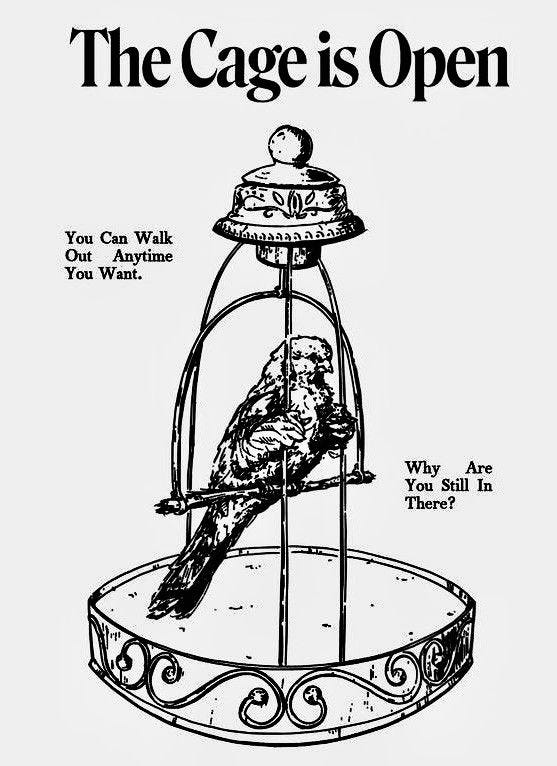
For the longest time, my tarot readings kept showing me the Eight of Swords, a card about self-imposed limitations and mental cages. I became very interested in studying the perimeter of my cage, and understanding it as best as I could. What does my cage look like and who was I when I built it? Who guards it? In my case, of course it’s Anton. Figuring out what keeps me stuck is the only way I can hope to set myself free and move into, well, a slightly bigger, better cage. I work on this through journaling, tarot and meditation; I don’t put pressure on myself to do it every day, but I try to set time to do one of these activities in the mornings if I feel like it.

🪩 Daily, Weekly, Monthly Activities 🪩
🪩 Get out of the house (literally touch some grass)
This one is obvious: as someone who works from home and feels a little too comfortable doing it, I need to get out more, especially on my own, which is something I’m not always comfortable doing. This is much easier to do when it’s not raining 24/7, so I hope to ease into this routine now that the weather is nice and sunny, and hopefully the habit will stick once the rain returns. Activities I’m planning to do include going to museums more often (I don’t got to museums enough, so I’m setting the specific goal of seeing at least one exhibition once a month), returning to the thrift stores I haven’t been to in so long, attending fun workshops, book clubs, drawing and reading at the park. There are a million things to do, plenty of which are free, if you have a few hours at your disposal. I’m eager to do as many as I possibly can.
🪩 Have fun with my looks again
My lack of confidence isn’t looks-related, but that doesn’t mean that getting creative with my appearance won’t help me get it back. I did notice a correlation between my period of isolation and an inclination to wear darker, more discreet clothing, which left most of my wardrobe—which is vaguely Lizzie McGuire-inspired—unworn and unloved. Wearing color and print is more taxing creatively, but also more rewarding as far as my mood goes, so I have three looks-related monthly challenges: 1. to wear something I haven’t worn in a long time, 2. to try something new with my hair, and 3. to try something new with my makeup.
🪩 Meet strangers
This is a big one, because pushing myself to go to events, workshops, book clubs and gatherings where I face a room full of strangers on my own has been one of the best ways to build my self-confidence in the past. Eventually I got really comfortable being in that position, but now I’m back to… well, if not square one, at least a square in which I know this will feel like pulling teeth at first. I’m aiming to attend an event of some kind once a month, without friends, just me and a room of people I don’t know.
🪩 Read outside my universe
This is not just about reading outside my comfort zone, which I already try to do consistently—it’s about reading books from another universe entirely. I want to expose myself to books, ideally one short read a month, that I never in a million years would’ve picked, and see what happens. To do this without harming my bank account, I’m getting a library card. It only took me ten years of living in Lisbon to get one, which is dreadful and embarrassing to even admit, but here we are. If you don’t have a library card either, let this be your sign to get one.
🪩 Surround myself with people who reflect my spark
If you have people in your life who will find your lack of confidence inconceivable, maybe they need to know about it when you’re feeling a little low. I’m letting my loved ones in on my plan so they can cheer me up and help me stay on track; not only do I appreciate their support, they also know me well enough to suggest other things that might benefit me. For instance, when I talked about this with a friend, she suggested I pick up back drawing by carrying a small notebook with me everywhere. It’s the kind of perfect suggestion that someone who knows me well would think of.
🪩 Find the fucking audacity
The first thing to go with my confidence is usually my audacity. I stop taking risks, being bold, acting a little delusional—things I’ve trained myself to do in the past because I know the world tends to reward me for them. Audacious Wednesdays is my effort to bring that attitude back: every wednesday, I have to take a risk of some kind and see where it leads me. Taking a risk can be anything from complimenting a stranger on the street to bungee jumping. This idea was inspired by Anna Mackenzie ‘s brilliant Shoot Your Shot Wednesdays, but instead of being career-focused, my goal is dedicated to rebuilding my confidence in general.
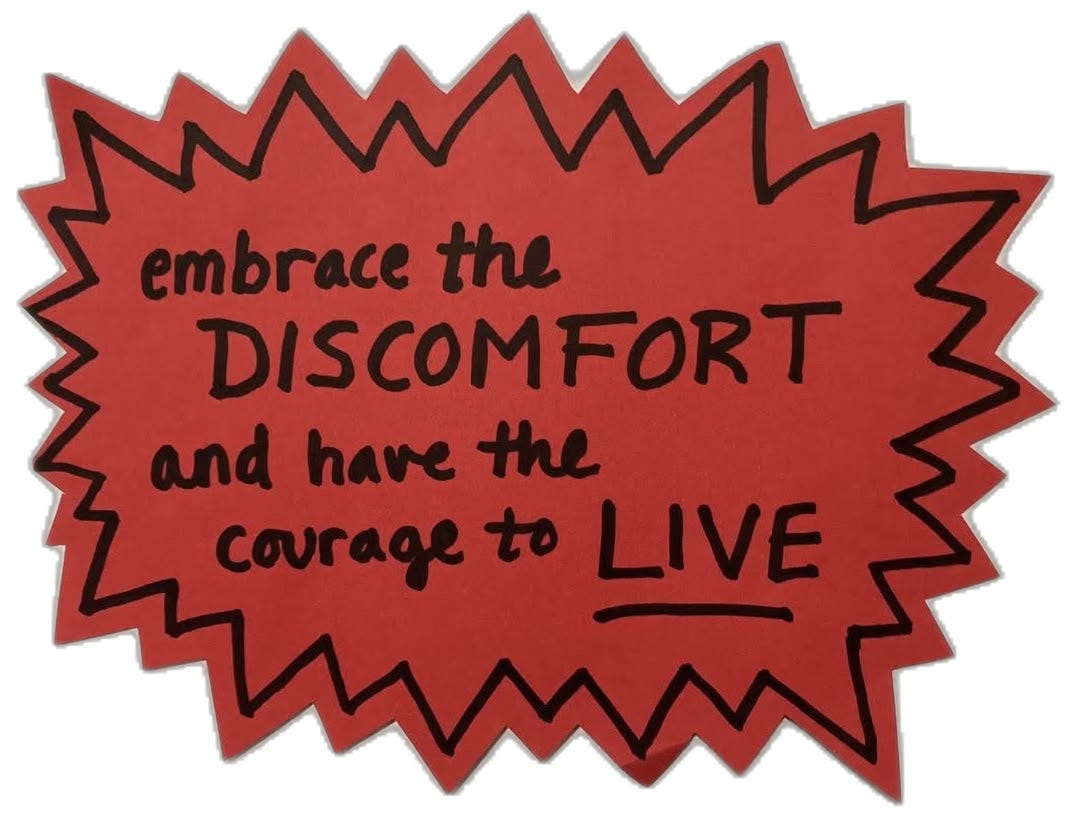

If I were to tell you to do just two things to get your spark back…
I’d tell you to do more of what brings you joy, and put yourself in situations of (gentle) challenge every once in a while. Get into the habit of doing those tiny difficult things—emailing someone you admire, running that extra mile, going out on a solo date. And see if life rewards you for them.
Also, celebrate the small wins! Here are some small wins I am forcing myself to celebrate in a very public way, in an effort to follow my own advice:
🌈 I am currently revising my novel. This is the first time I am revising a novel in my life, which is pretty impressive. I’m having a lot of fun doing it and actually love figuring out what needs to be changed because it means the whole will get even better. A friend pointed out how cool it is that I remain as excited about it now as I was some nine drafts ago, and I had never thought of that, but I’m calling it a small win too.
🌈 Does posting this count as a small win?
🌈 I bought a ticket to a workshop next week, which I will be attending on my own. Anton is back in his little cave; I am trying to find ways to show him love and understanding, but I took away his megaphone.
I’m sure I’ll remember another ten things to add to this list once this post goes live, but part of my process is to post things before they’re perfect, so here goes it: my guide, of sorts, to being BACK and sparklier than ever. Thank you for reading! ✨

THANK YOU for sharing this! I’m slowly, painfully emerging from a cracked sidewalk time of my life rn as well and this post is SO helpful and inspiring. Off to make my own list of daily, weekly, and monthly things that make me feel sparkly now.
period!!!! you are the niche!!! <3